+30 2109858858
Τοπική ώρα: 04:03

[inwave_button button_text=”HISTORY” button_link=”https://oasisresort.gr/index.php/history” class=”buttonmenu”]
[inwave_button button_text=”BEACHES” button_link=”https://oasisresort.gr/index.php/beaches” class=”buttonmenu”]
[inwave_button button_text=”ARCHEOALOGICAL SITES” button_link=”https://oasisresort.gr/index.php/ancient” class=”buttonmenu-active”]
[inwave_button button_text=”POINTS OF INTEREST” button_link=”https://oasisresort.gr/index.php/pois” class=”buttonmenu”]
ANCIENT THEATRE OF EPIDAURUS
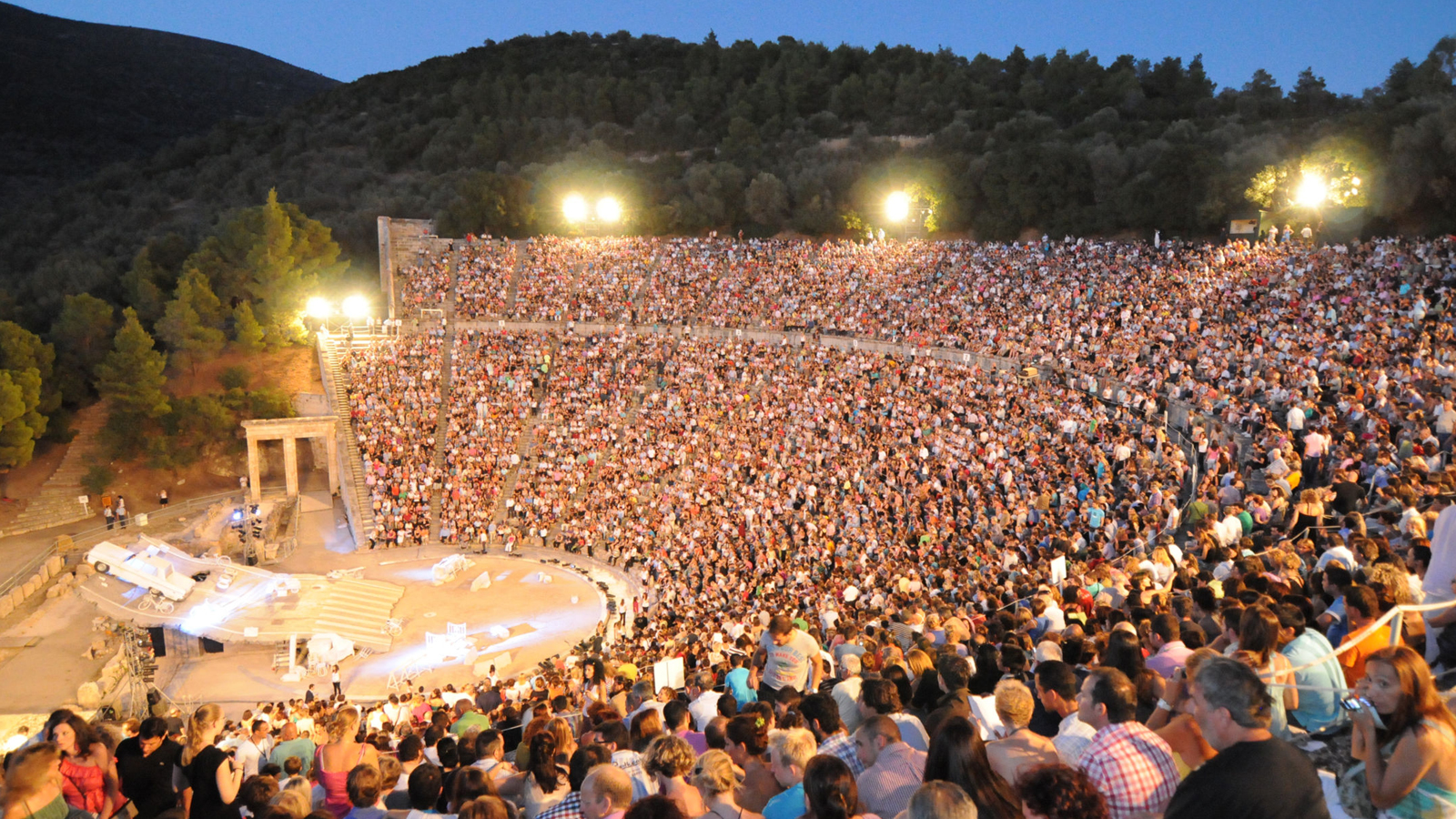
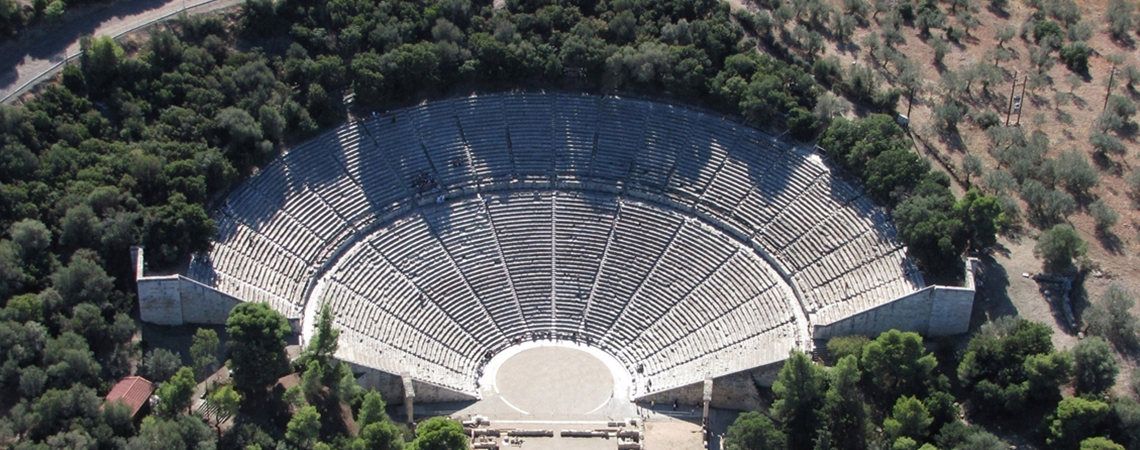
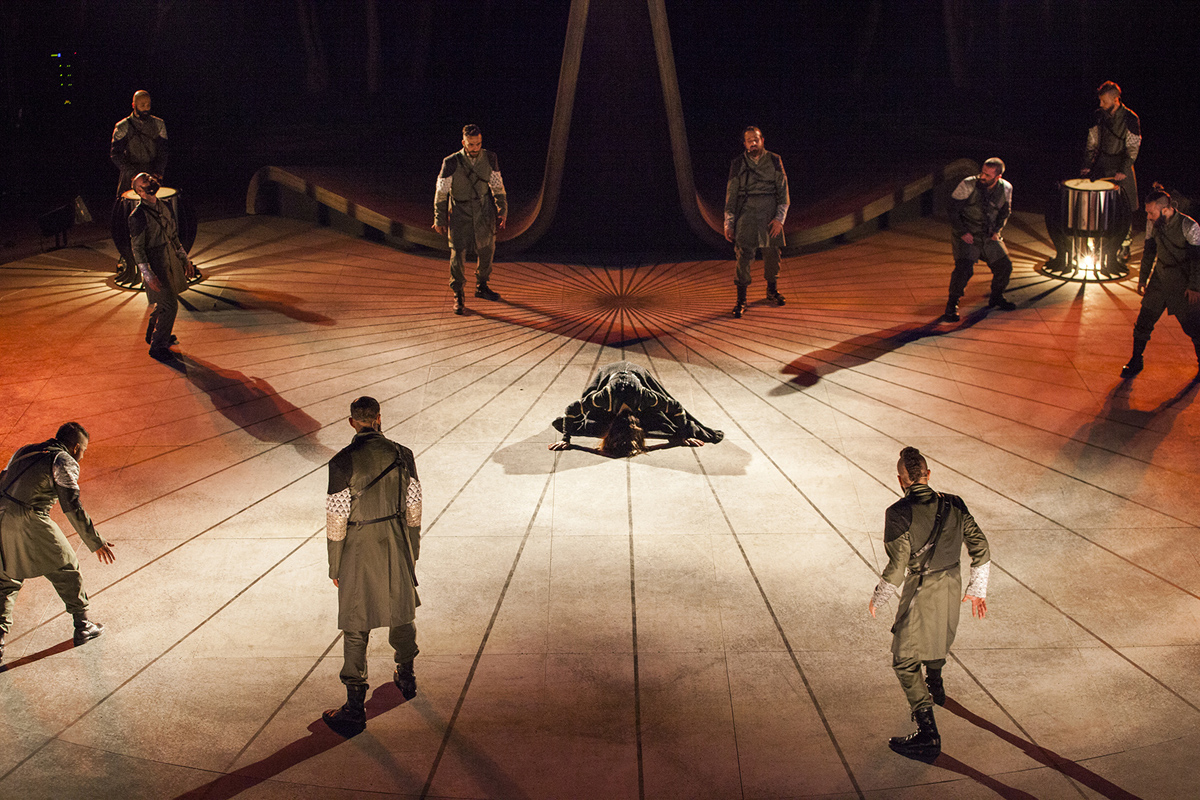
The ancient theatre was constructed by Polycleitus the Younger, according to Pausanias. Pausanias praises the theatre for its symmetry and beauty. With a maximum capacity of 13,000-14,000 spectators, the theatre hosted music, song and theatre contests that were part of the worship of Asclepius. Additionally, it was used as a therapeutic medium for patients, as there was the belief that watching theatrical performances had positive effects on the psychological and physical health of the patients.
Distance from the Oasis Resort: 46 km




ACROCORINTH
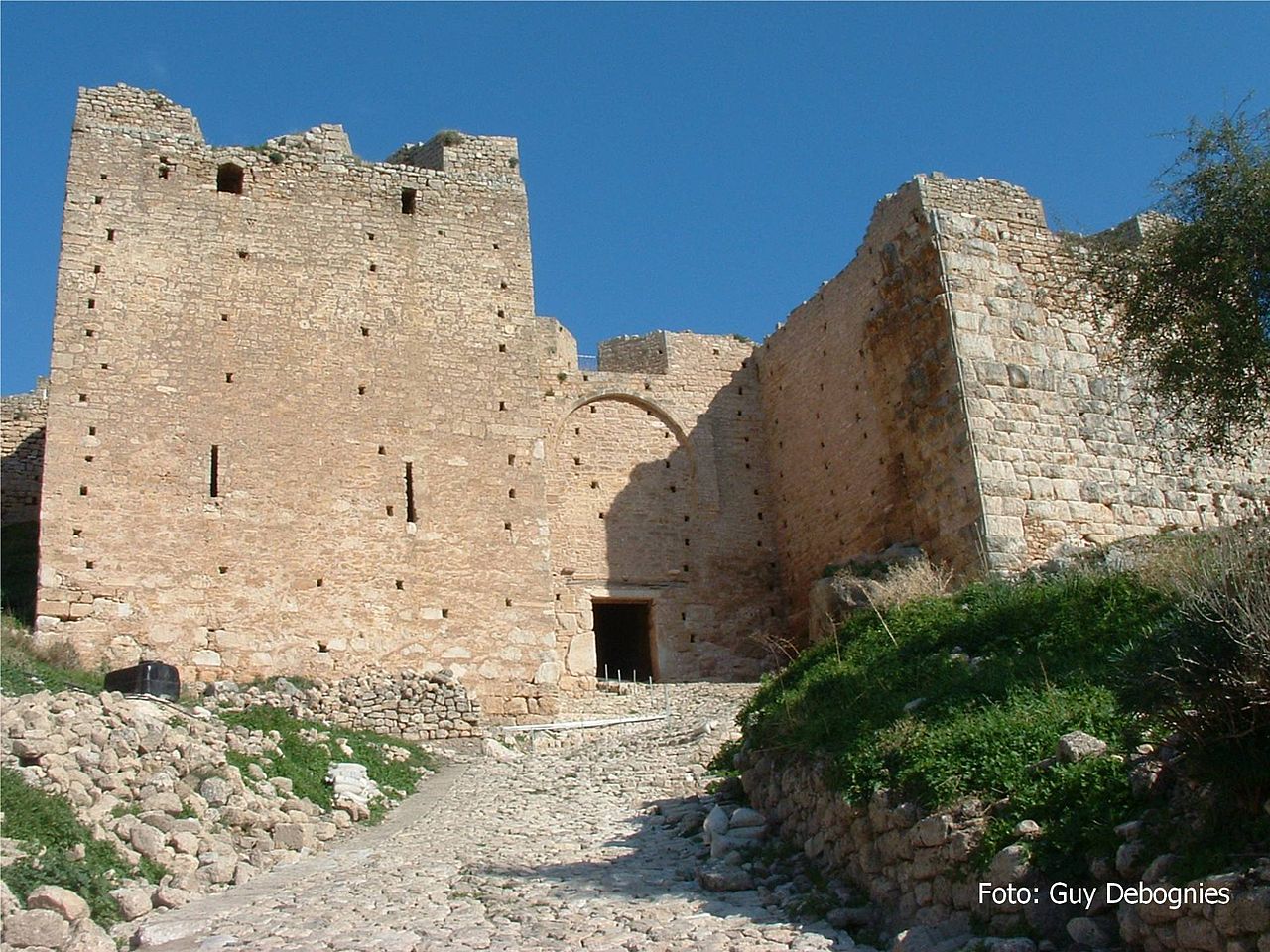
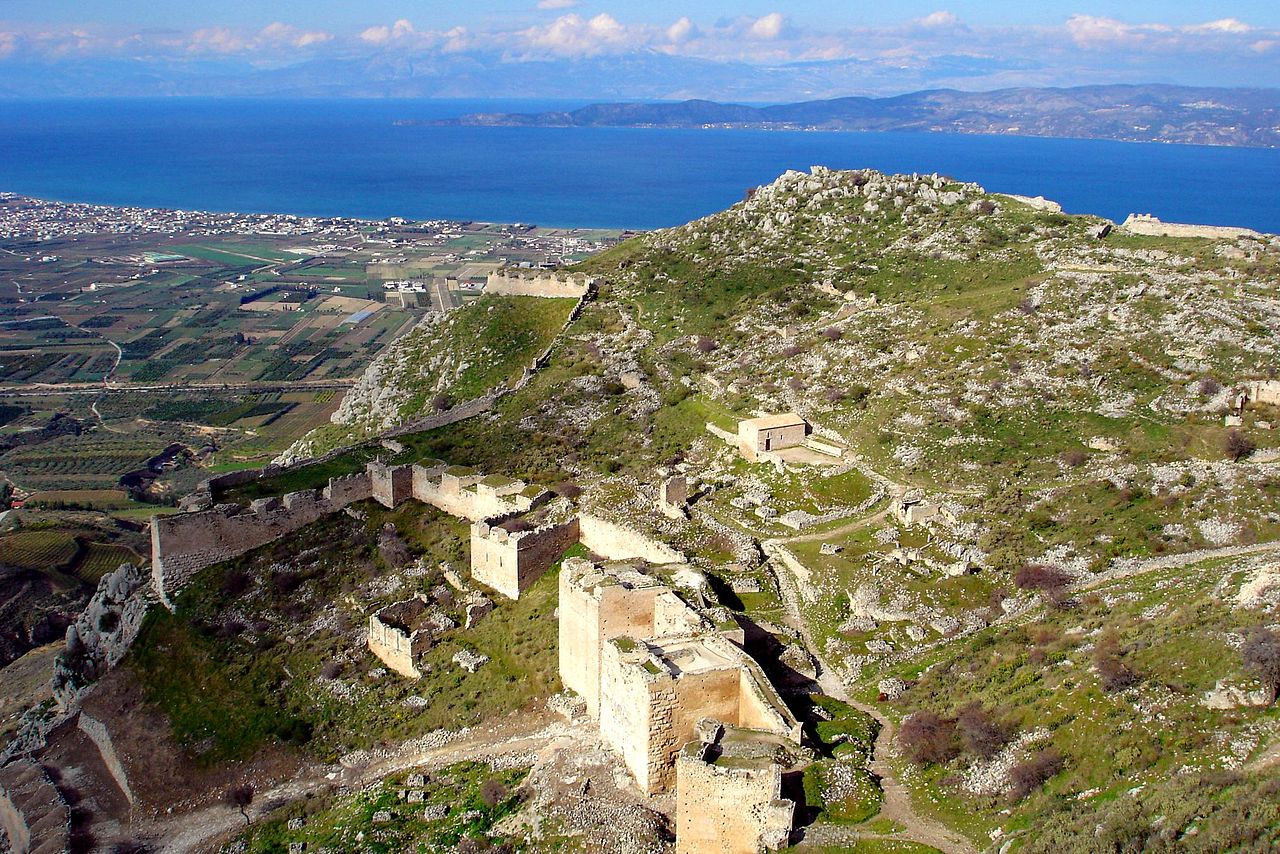
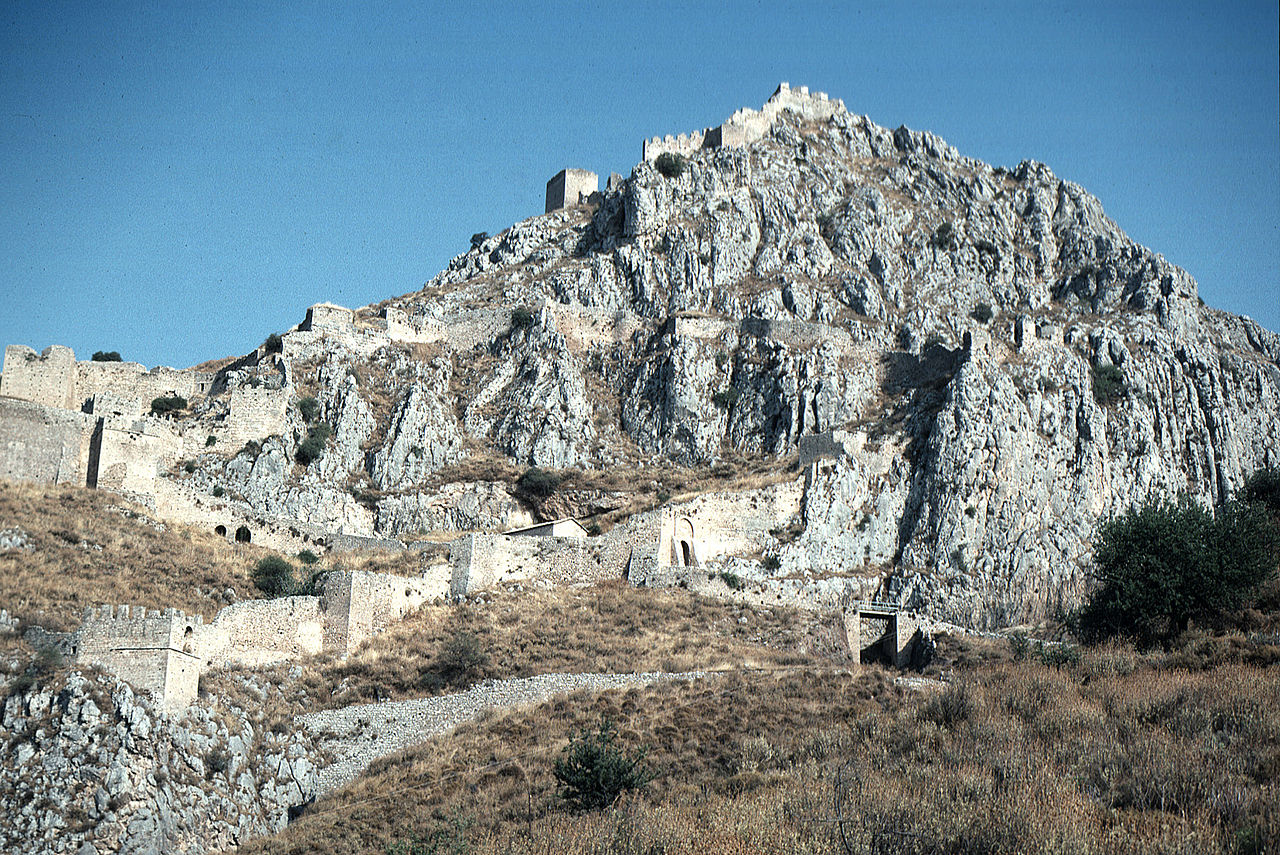
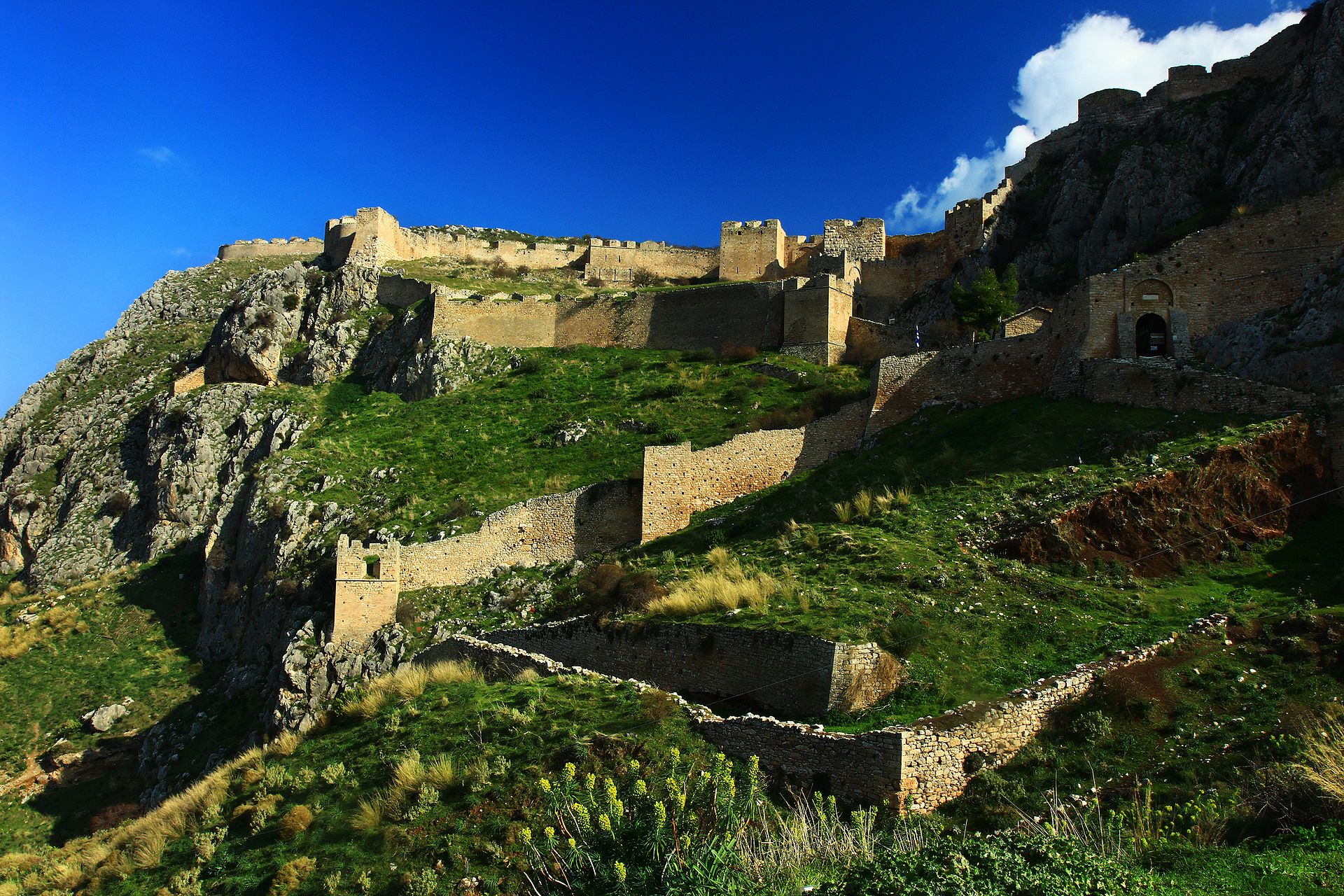
Acrocorinth is a steep monolithic rock of 575 meters of height that towers over the near plain of Corinth. Ancient Corinth was built at its northern foot. Due to its morphology, it was used since the ancient times as a lookout point that evolved to a fortress (Acropolis) from which there was constant vigil against any raid from Central Greece or the sea. In the language of the fighters of 1821 it was called Acrócorthos and Corinth Córthos.
Distance from the Oasis Resort: 35 km
MYCENAE
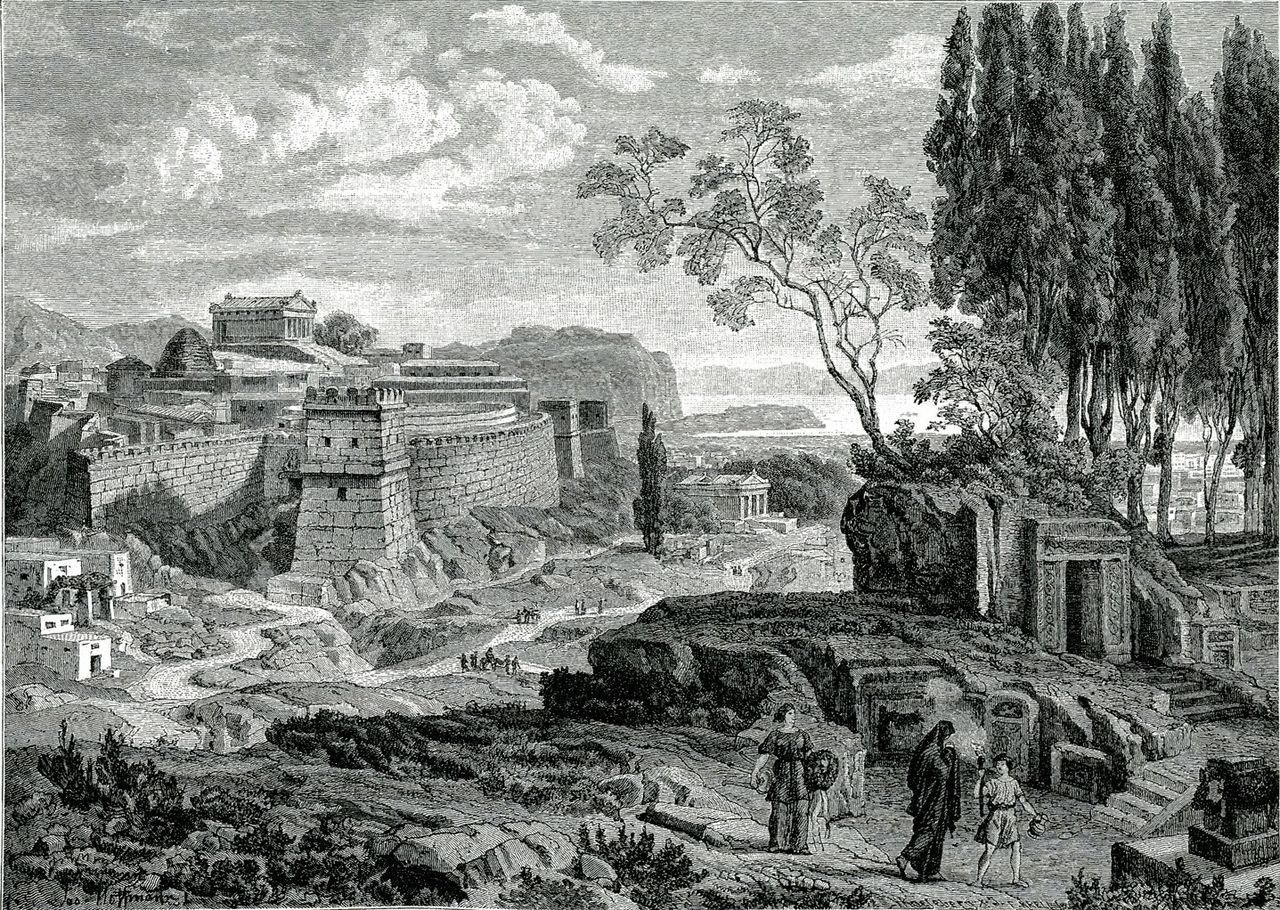
During the second millennium B.C., Mycenae was one of the largest centres of the Greek civilisation, being a strong military fortress that governed the largest part of southern Greece. The historic era between 1600 B.C. until around 1100 B.C. is called “Mycenaean”, referring to Mycenae. At the height of its glory, in 1350 B.C., the castle and the city were populated by 30,000 inhabitants and spanned for 32 hectares. Homer was the first to refer to the city as “sprawling, gold-studded”.
Distance from the Oasis Resort: 71 km